Slow Travel Itineraries for Digital Nomads in Southeast Asia
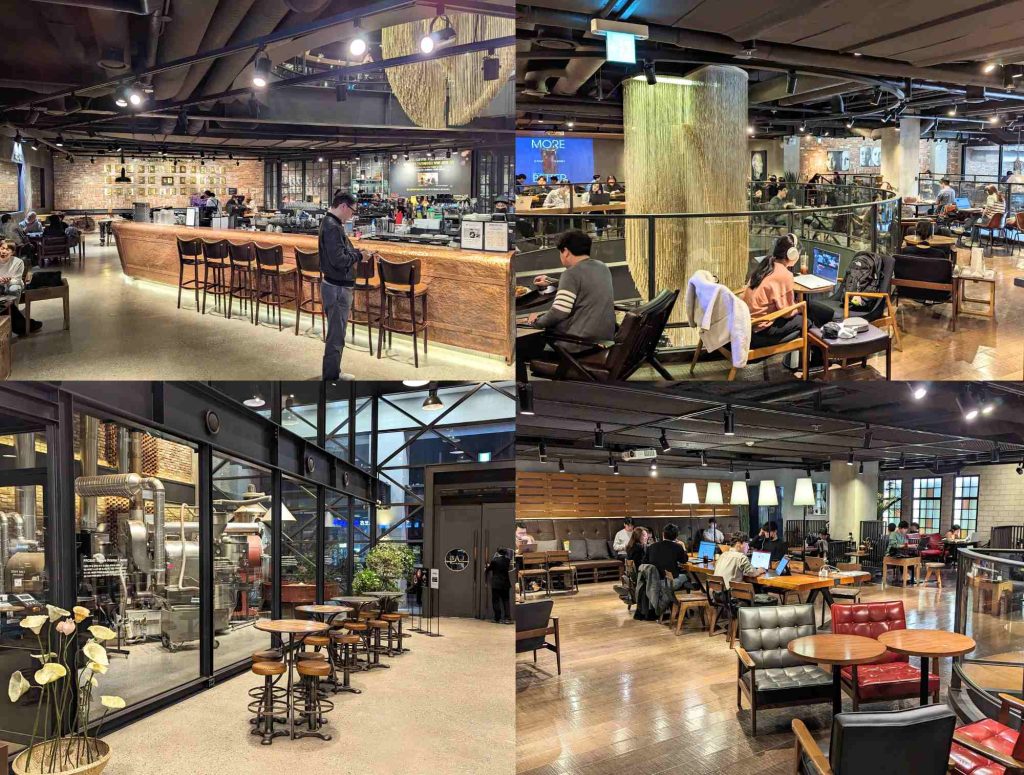
Let’s be honest. The digital nomad life isn’t always the Instagram-perfect whirlwind it’s made out to be. Hopping on a plane every week is exhausting. You end up feeling like a tourist on a conveyor belt, not a traveler building a life.
That’s where slow travel comes in. It’s the antidote to the burnout. It’s about trading a checklist of attractions for the deep, resonant hum of a place you can temporarily call home. Southeast Asia, with its affordable living, stunning landscapes, and robust nomad communities, is practically built for this style of work and wander.
Why Slow Travel is Your Secret Weapon
Think of it this way: slow travel is a crockpot, not a microwave. It allows flavors—the subtle rhythms of a local market, the unspoken rules of a coffee shop, the friendships that take more than three days to form—to develop fully. For a digital nomad, this means better work-life balance, lower stress, and honestly, a much richer experience. You’re not just passing through; you’re weaving your own thread into the local fabric for a little while.
The Northern Thailand Immersion: Chiang Mai & Beyond
Okay, let’s start with the classic. Chiang Mai is the unofficial capital of the digital nomad scene for a reason. But a slow travel itinerary here means looking beyond the walls of the old city.
The 6-Week Itinerary
Weeks 1-4: Chiang Mai (Basecamp)
Your first month is about establishing a routine. Find a favorite co-working space—Punspace or CAMP are institutions. Spend your mornings working, then reward yourself with a bowl of Khao Soi from a street vendor you befriend. Your weekends? They’re for exploring the sticky waterfalls at Bua Thong or getting lost in the warren of stalls at the Saturday Night Walking Street. The goal here is to find your flow.
Weeks 5-6: Pai or Chiang Rai (The Detour)
After a month, you’ll be ready for a change of scenery. Pack a small bag and head to Pai for a more bohemian, mountain vibe—perfect for a digital nomad retreat focused on creativity. Or, go to Chiang Rai to see the stark white and blue temples. This short trip prevents stagnation without the hassle of a major move.
The Island-Hopping Focus: Southern Thailand & Malaysia
If your soul needs ocean, this is your route. We’re not talking about hitting ten islands in two weeks. We’re talking about picking two, maybe three, and really getting to know them.
The 2-Month Island Nomad Plan
Month 1: Koh Lanta, Thailand
Koh Lanta is the relaxed, less-commercialized sibling of places like Phuket. It’s got a growing community of remote workers. You can work from a beachfront cafe in the morning and be snorkeling in the stunning Trang Islands by the afternoon. The internet is reliable, and the sunsets are… well, they’re the stuff of legend. It’s an ideal spot for a long-term stay in Southeast Asia.
Month 2: Langkawi, Malaysia
From Koh Lanta, it’s a manageable journey to Langkawi, a duty-free island in Malaysia. The vibe is different—more lush, with a dramatic mountain landscape. The internet infrastructure is excellent, and it’s a great place to hunker down and be productive. Rent a scooter for the month and explore the geoparks and waterfalls on your own time. It’s a fantastic remote work destination that feels both exotic and comfortable.
The Cultural Deep Dive: Vietnam from Top to Tail
Vietnam is a country of intense energy and profound beauty. A slow travel plan here is less about relaxation and more about absorption.
A 10-Week Vietnamese Journey
| Location | Duration | Slow Travel Vibe |
| Hanoi | 3 Weeks | Get lost in the Old Quarter. Find your regular pho spot. Use the city as a base for Ha Long Bay and Sapa trips. |
| Hoi An | 4 Weeks | The pace is slower here. Cycle through rice paddies, get clothes tailor-made, and work from cafes by the Thu Bon River. |
| Da Lat | 2 Weeks | A cool, mountainous escape. Perfect for focused work and exploring the “crazy house” and surrounding waterfalls. |
| Ho Chi Minh City | 1 Week | A final, fast-paced blast of energy before you move on. Experience the future of Vietnam while reflecting on its past. |
The key here is the long stays in Hanoi and Hoi An. They give you enough time to unpack your laptop—and your suitcase—without feeling rushed.
Essential Slow Travel Tips for the Working Nomad
Making this work requires a slight mindset shift. Here are a few things to keep in mind:
- Accommodation is key. Don’t book the first place you see for a month. Book three nights somewhere, then walk around. Find a guesthouse with a family that feels like home, or an apartment with a balcony that gets the morning light. Trust your gut.
- Embrace the “Third Place.” You need a spot that’s not your room and not your dedicated office. A local coffee shop, a library, a quiet park bench. This becomes your anchor in the community.
- Learn a handful of phrases. Seriously. Just “hello,” “thank you,” and “how much?” This tiny effort breaks down barriers and transforms your daily interactions.
- Schedule your exploration. It sounds counter-intuitive, but if you don’t block out time for it, work can easily consume you. Put “visit the morning market” or “hike to the temple” in your calendar like it’s a client meeting.
And don’t worry about FOMO. The missed “must-see” attraction in one city will be replaced by a spontaneous dinner with new friends or the discovery of a hidden lane you’d never find in a guidebook. That’s the real treasure.
The Real Destination is a Different Pace
In the end, slow travel for digital nomads isn’t really about the places on the map. It’s about the space it creates in your life. It’s the freedom to have a productive workday and then watch a storm roll in over the rice terraces, with no agenda other than to just be there. It’s about trading the frantic rush for the profound richness of connection—to a place, to its people, and to your own work and wanderlust.
So pack your laptop, but leave the hectic itinerary behind. The slow lane is waiting.