Workation Planning for Remote Teams in Nature Retreats
So, your remote team is scattered across time zones, Slack channels are buzzing, and Zoom fatigue is real. You’ve been thinking about shaking things up—maybe taking the team out of their home offices and into… well, the woods. A workation in a nature retreat isn’t just a trendy perk; it’s a strategic move. But planning one? That’s a whole different beast. Let’s break it down, honestly.
Why Nature Retreats? The “Why” Behind the “Where”
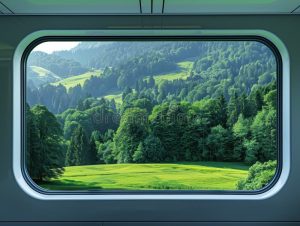
First off, why drag laptops to a cabin in the mountains? Because nature isn’t just pretty—it’s productive. Studies show that exposure to green spaces reduces cortisol levels and boosts creative problem-solving. For remote teams, a change of scenery can break the monotony of kitchen-table offices. Think of it as a reset button. The smell of pine, the sound of a creek, the absence of Wi-Fi dead zones (well, ideally). It’s like swapping a fluorescent-lit cubicle for a sun-drenched meadow.
But here’s the catch: a workation isn’t a vacation. It’s work, but better. And you need to plan it like one.
The Real Pain Points (and How to Solve Them)
Let’s be real—remote team retreats can go sideways fast. Spotty internet, clashing personalities, or that one person who treats it like a solo holiday. The key is intentional design. You’re not just booking a lodge; you’re curating an experience.
Step 1: Pick the Right Nature Retreat (It’s Not Just About Views)
Location, location, location. But not in the real-estate sense. You need a place that balances isolation with connectivity. Look for retreats that offer:
- Reliable high-speed internet (test it beforehand—ask for speed test screenshots).
- Dedicated workspaces (a dining table doesn’t count if it wobbles).
- Shared and private areas—some for collaboration, some for quiet focus.
- Access to nature trails, lakes, or even a fire pit for evening chats.
Honestly, I’ve seen teams book a “glamping” site only to find the “Wi-Fi” was a 3G hotspot. Don’t be that team. Vet the property like you’re a tech auditor.
Table: Quick Comparison of Nature Retreat Types
| Retreat Type | Best For | Potential Pitfalls |
|---|---|---|
| Mountain cabin | Small teams (4-8 people) | Limited cell service |
| Lakeside lodge | Medium teams (8-15 people) | Bug season |
| Eco-resort | Large teams (15+) | Higher cost |
| Forest treehouse | Creative brainstorming | Noise from wildlife |
Step 2: Set Clear Expectations (Before Anyone Packs a Bag)
You know that awkward moment when someone thinks a workation means sleeping in until noon? Yeah, avoid that. Send a pre-trip memo that covers:
- Core working hours—flexible but not chaotic.
- Meeting cadence—daily stand-ups, but also “no-meeting” blocks.
- Shared responsibilities—who’s cooking? Who’s cleaning? (Yes, even at a retreat.)
- Boundaries—work stays in the workspace, play stays in the wild.
It’s a little corporate, sure. But trust me—it saves headaches. One team I know had a “no laptops at the campfire” rule. It worked wonders for bonding.
The “Flow” vs. “Fun” Balance
Here’s the deal: a workation should have rhythm. Mornings for deep work (when brains are fresh), afternoons for collaboration or workshops, and evenings for… well, fun. Hiking, stargazing, or a team cooking challenge. Don’t overschedule. Leave gaps for spontaneous moments—like someone spotting a deer or deciding to skip a session for a swim.
One trick? Use a shared calendar with “focus blocks” and “adventure blocks.” That way, introverts get their quiet time, and extroverts get their group fix.
Step 3: Tech Setup—The Unsexy Hero
Let’s talk about the boring stuff that makes or breaks a workation: tech. You need more than just Wi-Fi. Bring:
- A portable router (as backup).
- Power strips and extension cords (outlets are never where you need them).
- Noise-canceling headphones for shared spaces.
- A shared cloud drive for offline access to files.
And here’s a pro tip: assign a “tech lead” for the retreat. Someone who checks connectivity daily and troubleshoots. Because nothing kills a nature retreat vibe like a Zoom call freezing during a client presentation.
Step 4: Activities That Build Bonds (Without Being Cringe)
Team-building exercises can be… well, awful. Trust falls? No thanks. Instead, lean into nature. Try:
- Guided nature walks with a local naturalist.
- Sunrise yoga or meditation (even if you’re not a yogi).
- Group cooking—everyone makes a dish from local ingredients.
- Storytelling around a fire—no phones allowed.
The goal isn’t forced fun. It’s shared experience. Like when the whole team gets caught in a sudden rainstorm and laughs about it later. Those moments matter more than any workshop.
A Note on Inclusivity
Not everyone loves hiking or swimming. Offer alternatives. Maybe a board game corner, a book nook, or a solo art session. Respect different energy levels. Some people recharge by being alone, not by group sing-alongs.
Step 5: Budgeting—The Math of Memories
Workations aren’t cheap, but they’re an investment. Typical costs include accommodation, food, transport, and activity fees. A rough breakdown for a 4-day retreat for 10 people:
| Expense | Estimated Cost (per person) |
|---|---|
| Lodging (shared cabins) | $200–$400 |
| Meals (catered or group cooking) | $100–$200 |
| Transport (rental van or flights) | $50–$300 |
| Activities (guided tours, gear) | $50–$150 |
| Misc (snacks, emergency fund) | $30–$50 |
Pro tip: subsidize part of it as a company benefit. It shows you value team culture. And honestly, the ROI in morale and collaboration often outweighs the cost.
Step 6: Post-Retreat—Don’t Let the Magic Fade
The workation ends, but the impact shouldn’t. Schedule a follow-up meeting a week later to reflect. Ask: What worked? What didn’t? Did we actually get more done? Use a simple survey. Then, apply those lessons to your next retreat.
Also, share photos and memories. A shared album keeps the vibe alive. Maybe even create a “workation tradition”—like an annual nature retreat or a quarterly mini-retreat.
The Unspoken Truth: It’s About Trust
At its core, a workation in nature isn’t about the pine trees or the Wi-Fi speed. It’s about trusting your team to work without micromanagement. It’s about letting go of the illusion that productivity only happens in sterile offices. Nature retreats remind us that creativity thrives when we’re grounded, connected, and a little bit wild.
So go ahead—plan that trip. The forest is waiting. And your team might just come back stronger, closer, and more inspired than ever.