The Hidden Playbook: Psychological Tricks Airlines Use in Booking Interfaces
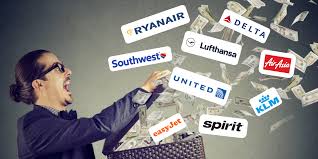
You know the feeling. You’re searching for a flight, and suddenly your heart starts racing. “Only 2 seats left at this price!” the website screams. Your cursor hovers over the ‘book now’ button, a mix of urgency and anxiety bubbling up. That’s not an accident. It’s by design.
Airline booking engines aren’t just digital storefronts. They’re sophisticated psychological landscapes, carefully engineered to guide your choices—and open your wallet. Let’s pull back the curtain on the subtle (and not-so-subtle) tricks embedded in your flight search experience.
The Art of Creating Artificial Scarcity and Urgency
This is the oldest trick in the retail book, and airlines have perfected it for the digital age. The goal is simple: make you fear missing out (FOMO) so you book now, not later.
You’ll see messages like: “Only 1 seat left!” or “Fares are increasing in 5 minutes!” Honestly, that “last seat” might be one of twenty at that fare bucket, but the interface shows it as nearly gone. It triggers our innate loss aversion—the idea that losing something feels worse than gaining something good. We’d rather secure a “deal” now than risk paying more, even if the deal wasn’t that great to begin with.
Countdown Timers: The Relentless Clock
Perhaps the most potent tool. A ticking clock physically pressures you. It short-circuits careful comparison shopping. You stop asking, “Is this the best route?” and start thinking, “I need to decide before time runs out.” The truth? Often, if you revisit the site later, the timer just… resets.
Decoy Pricing and the Illusion of Choice
Here’s where things get really clever. Airlines are masters of presenting options in a way that makes one look obviously better—the one they want you to pick.
You’re typically shown three fare bundles: Basic Economy, Main Cabin, and Premium Economy or First Class. The Basic Economy is often severely restricted (no carry-on, no seat selection). The top-tier option is, well, pricey. The middle option—Main Cabin—is the golden target.
By making Basic Economy so unappealing, the airline makes Main Cabin look like a sensible, necessary upgrade. It’s the decoy effect in action. You’re not really choosing between three independent options; you’re being nudged toward the profitable middle child. Suddenly, paying $40 more feels like a rational victory, not an extra expense.
| Fare Type | Key Restriction Highlighted | Psychological Nudge |
| Basic Economy | “No carry-on bag” in bold, red text. | Creates anxiety about inconvenience, frames it as a “penalty” fare. |
| Main Cabin | “Our most popular option” with a green checkmark. | Uses social proof and relief; feels like the safe, smart default. |
| Premium | “Extra legroom, premium service.” | Appeals to aspiration and comfort, making Main seem “good enough.” |
Visual Manipulation and “Good Enough” Design
Ever notice how the “continue” or “book now” button is always a bright, inviting color, while the “hold fare” or “see details” link is a muted gray? That’s visual priming. Your eye is drawn to the action they desire.
And then there’s the drip-pricing strategy. The initial fare shown in search results is rarely what you pay. Fees are added step-by-step: carrier-imposed charges, taxes, then seat selection, bags, etc. This “partitioned pricing” makes the final price feel less shocking than one big lump sum would. It’s a psychological salve. You’re already committed by the time you see the real total.
The Seat Selection Siren Song
This screen is a masterpiece of psychological design. A plane cabin map shows a sea of paid “preferred” seats (often just rows 2-10 in coach). The free seats are usually at the back or middle seats. The interface makes it seem like you must choose a seat now, implying you might get stuck in a terrible spot if you don’t. The anxiety of getting a middle seat in the last row pushes many to pay up, even though seats are almost always assigned for free at check-in.
Anchoring and the Power of First Impressions
This is a classic. The first price you see sets an “anchor” in your mind. When you later see a higher price for a bundle with bags and a seat, it’s judged against that initial low number. But if they showed the full package price first, the standalone fare would seem like a steal. See how that works? They control the reference point.
Search results often list a “flexible” or fully refundable fare at the very top—it’s astronomically high. That price becomes your mental anchor, making all the non-refundable options below look like incredible bargains in comparison. It’s a mental reset that makes you feel savvy, even when you’re spending more than you planned.
How to Book Smarter (Not Harder)
Okay, so knowing these tricks is one thing. But what can you actually do? A few counter-strategies:
- Ignore the timers. Use a private/incognito browser window, clear your cookies, or simply walk away for an hour. See if the “expiring” fare is still there.
- Always do the math. Add up the Basic Economy fare + bag fee + seat fee. Compare it to the Main Cabin price. Sometimes the “worse” option is cheaper.
- Skip seat selection. Unless you have a specific need, just wait until free check-in. You can often change your assigned seat then for no charge.
- Book the fare, not the fear. Ask yourself: “Am I booking because this is a good trip, or because the website is telling me I’ll lose it?” Pause. Breathe.
In the end, airline website design is a blend of behavioral economics and sheer digital persuasion. They’re counting on your automatic, emotional brain to outrun your logical, deliberate one. The next time you book, you’ll see the interface differently—not as a neutral tool, but as a conversation. One where you now know the other side’s playbook. And that might just be the most empowering upgrade of all.