Culinary Tourism Focused on Indigenous Food Preservation Techniques
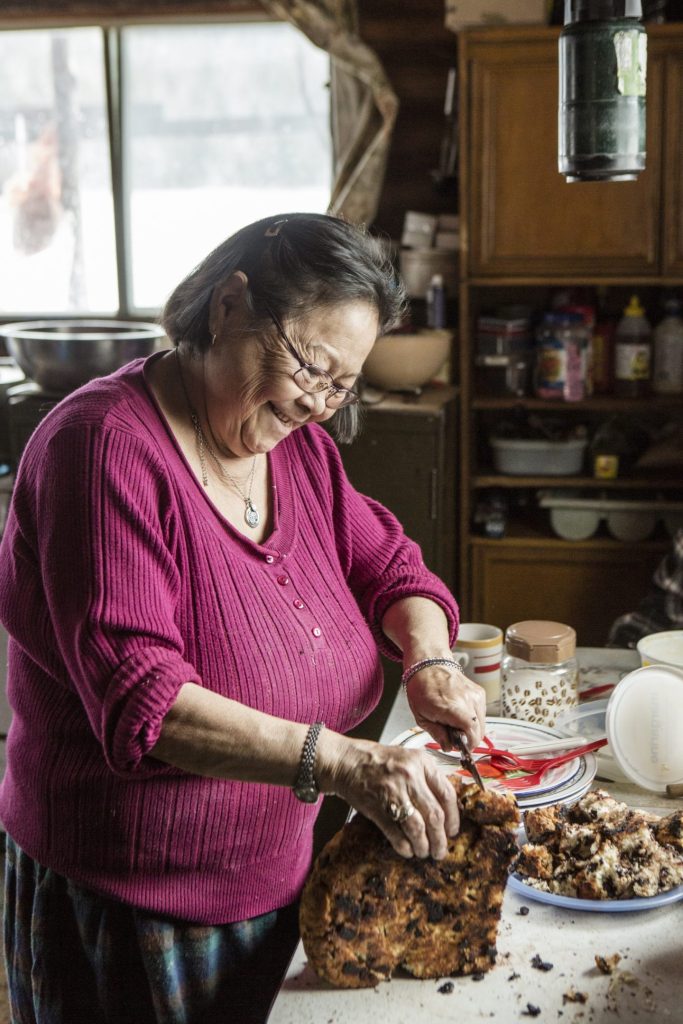
Let’s be honest—most of us have no idea how our ancestors kept food from spoiling. We just open a fridge, right? But there’s a whole world of flavor hidden in ancient techniques. And now, culinary tourism is digging into that world. It’s not just about eating; it’s about learning how people saved food before electricity existed. Indigenous food preservation techniques? They’re the original “hacks.” And they’re making a serious comeback.
Why Indigenous Preservation Matters Now
Well, here’s the thing—modern food systems are fragile. Supply chains break. Power grids fail. And honestly, we’ve lost touch with the land. Indigenous communities never did. They developed methods that worked with nature, not against it. Smoking, drying, fermenting, freezing… these aren’t just survival tactics. They’re art forms. And culinary tourism is finally giving them the spotlight they deserve.
You know what’s wild? Some of these techniques actually make food more nutritious. Fermentation, for example, boosts probiotics. Smoking adds depth. Drying concentrates sugars. It’s like… nature’s flavor engineering.
The Traveler’s New Craving: Authenticity
Tourists are tired of cookie-cutter experiences. They want stories. They want hands-on stuff. So when you offer a workshop on pit-roasting or salt-curing fish, people show up. Not just to taste—but to understand. That’s the core of culinary tourism focused on indigenous food preservation techniques. It’s a deep dive into culture, history, and ecology.
Key Techniques You’ll Encounter (and Maybe Try)
Let’s break down some of the most common—and fascinating—methods. Each one tells a story about the people who perfected it.
- Smoking – Not just for flavor. The smoke creates a protective layer, drying the surface and adding antimicrobial compounds. Think Pacific Northwest salmon or Scandinavian herring.
- Fermenting – A controlled rot, really. But it’s brilliant. Sauerkraut, kimchi, miso—all born from indigenous knowledge. The bacteria do the work, preserving and transforming.
- Drying – Sun, wind, or fire. Remove moisture, stop spoilage. Jerky, biltong, dried fruits… simple but effective.
- Salt-curing – Salt draws out moisture. It’s why cod was a staple for Vikings. And why prosciutto is a thing.
- Pit-roasting – Earth ovens. You dig a hole, heat stones, layer food, cover it. The result? Tender, smoky, preserved meat. Māori hangi, Hawaiian imu, Native American pit cooking.
- Ice and snow storage – Arctic communities used permafrost as a freezer. Ingenious, right?
A Quick Comparison: Old vs. New
| Technique | Indigenous Approach | Modern Equivalent |
|---|---|---|
| Smoking | Slow, cold smoke over alder or cedar | Liquid smoke, electric smokers |
| Fermenting | Wild bacteria, clay pots | Starter cultures, stainless steel |
| Drying | Sun-drying on racks | Dehydrators, freeze-drying |
| Salt-curing | Coarse sea salt, stone weights | Vacuum packing, brining |
| Pit-roasting | Heated rocks, banana leaves | Slow cookers, sous vide |
See the difference? It’s not just the method—it’s the connection. Indigenous techniques rely on observation, patience, and respect for ingredients. They’re slower. But they’re richer.
Where to Experience This Culinary Tourism
You don’t have to travel to the ends of the earth. But some places are hotspots for these experiences. Here’s a few—and I’m not listing them in any particular order, just… where the magic happens.
- Oaxaca, Mexico – Moles, tlayudas, and… tamales steamed in banana leaves. But also: nixtamalization—an ancient process of treating corn with lime. It preserves and boosts nutrition. Tourists can join workshops.
- Nordic regions (Norway, Sweden, Iceland) – Dried fish (stockfish), fermented shark (hákarl), and smoked lamb. The Vikings knew what they were doing. Tours often include visits to smokehouses.
- New Zealand – Māori hangi pits. You help dig, heat stones, wrap food in flax, and wait. The result is a feast. And a lesson in community.
- Pacific Northwest, USA/Canada – Native American tribes teach salmon smoking and berry drying. It’s about sustainability—honestly, it’s a masterclass in resource management.
- Andes, Peru/Bolivia – Freeze-drying potatoes (chuño) using high-altitude cold. Sounds simple? It’s genius. Travelers can participate in village demonstrations.
But Wait—There’s a Catch
Not all culinary tourism is ethical. Some tours are performative. They exploit traditions without giving back. So when you book, look for indigenous-led initiatives. Ask who profits. Real preservation—both of food and culture—happens when communities control the narrative. That’s the key.
How to Incorporate These Techniques at Home
You don’t need a pit or a smokehouse. Start small. Try fermenting vegetables in a jar. Or salt-cure some fish in your fridge. It’s weirdly satisfying. And you’ll taste the difference—I mean, really taste it. Store-bought pickles? They’re not even close.
Here’s a simple starter: Lacto-fermented carrots. Just carrots, salt, water, and a bit of garlic. Leave it for a week. The bubbles? That’s life. That’s preservation in action. And it’s a direct link to techniques used for centuries.
The Deeper Meaning
Culinary tourism focused on indigenous food preservation techniques isn’t just a trend. It’s a reconnection. We’ve outsourced our food knowledge to factories and labels. But these old ways remind us that food is alive. It changes. It adapts. And when we preserve it, we’re preserving stories, too.
Think about it—every smoked fish carries the memory of a fire. Every fermented jar holds the breath of a community. That’s not romanticism. That’s fact. And travelers are hungry for that meaning.
A Final Thought (No Pressure)
Maybe you’ll never dig a pit oven. Maybe you’ll just buy some jerky. But next time you taste something preserved the old way… pause. Consider the hands that learned it. The generations that passed it down. That’s the real flavor. And it’s worth traveling for.