Climate-Conscious Train Journeys Through Lesser-Known Regions
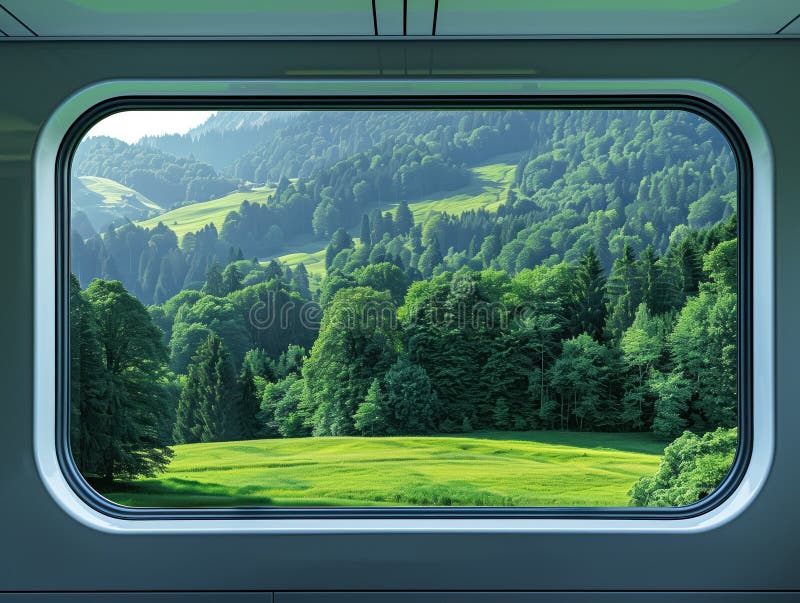
There’s something almost romantic about watching a landscape unfold through a train window — no security lines, no baggage carousels, just the steady rhythm of wheels on steel. And honestly? If you care about your carbon footprint, trains are one of the smartest ways to travel. A single rail journey can cut emissions by up to 70% compared to a short-haul flight on the same route. That’s not a small number.
But here’s the thing. Everyone talks about the Glacier Express or the Trans-Siberian. Meanwhile, some of the most soul-stirring rail routes slip quietly under the radar — through misty highlands, forgotten valleys, and villages where the station clock still feels like the heartbeat of the town. Let’s dive into a few of those lesser-known gems, and why they deserve a spot on your climate-conscious travel list.
Why Slow Rail Travel Is Having a Moment
Flight shaming, carbon offsets, “train bragging” — the vocabulary around eco-travel keeps evolving. And sure, some of it is hype. But the underlying trend is real: travelers, especially younger ones, are rethinking how they move. In fact, a 2023 survey found that nearly 6 in 10 European travelers said they’d choose a train over a plane if the journey took under six hours.
Trains also do something planes can’t. They connect you to the ground you’re crossing. You smell the pine. You see the laundry hanging in backyards. You notice the shift from farmland to moorland in real time. That kind of travel… well, it changes you a little.
1. The Harz Narrow Gauge Railways, Germany
Tucked into the former East Germany, the Harz Mountains feel like a storybook that never got the memo about modernization. The narrow-gauge steam trains here — yes, actual steam — chug up to the Brocken, the region’s highest peak, through forests that inspired the Brothers Grimm.
It’s not a glamorous route. The carriages are wooden, the pace is glacial, and you’ll probably get a bit of soot on your jacket. But that’s part of the charm. And because it’s a heritage railway, ridership stays modest — you won’t be fighting crowds for a window seat.
Why It’s Climate-Friendly
Steam engines aren’t zero-emission, let’s be honest. But the alternative — driving the same route — burns far more fuel per passenger. Plus, the railway is integrated with Germany’s regional train network, so you can reach it without ever touching a car.
2. The Vltava Valley Line, Czech Republic
Most visitors to the Czech Republic stick to Prague. Big mistake. The railway that follows the Vltava River south toward Český Krumlov is one of Central Europe’s quietest, prettiest rides. You’ll pass medieval castles perched on cliffs, tiny stations with hand-painted signs, and stretches where the river runs so close you could almost trail your fingers in the water.
The trains are old-school — think worn upholstery and windows that actually open. And because this isn’t a tourist route per se, you’ll be sharing the carriage with students, commuters, and grandmothers carrying baskets of mushrooms. That’s the real deal.
Practical Notes
- Regional trains run roughly every two hours
- Tickets are cheap — often under €10
- Bring snacks; there’s no dining car
3. The Kandy to Ella Line, Sri Lanka
Okay, this one is slowly getting discovered. But it still counts as lesser-known compared to, say, the Swiss Alps routes. The train from Kandy to Ella winds through tea plantations, cloud forests, and viaducts that look like they were built by giants. It takes about seven hours. Seven hours of pure, unfiltered green.
Here’s a tip: skip first class. Second class, with the windows open, is where the magic happens. You’ll hang out of the doorway (carefully), drink chai from a vendor who boards at one station and exits at the next, and watch the mist roll over the hills like a slow tide.
The Carbon Math
Sri Lanka’s trains are mostly diesel, so they’re not perfect. But compare that to the private taxis most tourists hire for the same journey — often a single passenger in a large vehicle — and the train wins easily. Per passenger, the train emits roughly one-fifth the CO₂ of a private car.
4. The Bergen Line’s Forgotten Branch, Norway
The Bergen Line itself is famous. But the Flåm Branch gets all the Instagram love, while the Bergen to Voss stretch — and beyond, toward Myrdal — remains blissfully overlooked. This is a landscape of frozen waterfalls, stave churches, and fjords that look like they were carved by a bored god with a chisel.
Norway’s rail network is heavily electrified, and the country gets most of its electricity from hydropower. That means your journey here is about as low-carbon as long-distance travel gets. You can literally watch the energy mix on some train displays — it’s nerdy, but kind of wonderful.
5. The Tazara Railway, Tanzania and Zambia
This one is for the adventurous. The Tazara Railway, built with Chinese assistance in the 1970s, runs from Dar es Salaam in Tanzania to Kapiri Mposhi in Zambia. It’s not fast. It’s not always on time. But it crosses some of the most remote, breathtaking terrain in Africa — savannah, escarpments, and villages where the train’s arrival is still an event.
Climate-wise, rail is a lifeline here. It moves freight and people with far less energy than the equivalent road convoy. And for travelers, it’s a chance to see a side of East Africa that flights simply erase.
How to Make Your Rail Trip Greener (Without Overthinking It)
You don’t need to be perfect. Just thoughtful. Here are a few easy wins:
- Choose electrified routes when you can. They’re almost always lower-carbon.
- Travel off-peak. Fuller trains mean better efficiency per passenger.
- Bring your own water bottle and snacks. Less packaging, less waste.
- Stay longer in fewer places. The slow travel ethos pairs perfectly with rail.
A Quick Comparison: Emissions by Mode
| Mode | Average CO₂ per passenger-km |
|---|---|
| Domestic flight | ~250 g |
| Petrol car (alone) | ~170 g |
| Coach bus | ~70 g |
| Electric train | ~30 g |
| Diesel train | ~60 g |
Numbers vary by country and load factor, sure. But the pattern is clear: rails beat roads, and roads beat wings.
The Quiet Case for Going Somewhere Unfamous
There’s a certain irony in climate-conscious travel. The more people flock to a “green” destination, the more pressure it feels. That’s why lesser-known regions matter. They spread the load. They keep tourism money in places that rarely see it. And they remind us that the journey — not just the arrival — can be the point.
So next time you plan a trip, maybe skip the bucket list. Pick a line on the map that nobody’s written a glossy guidebook about. Pack light. Bring a thermos. And let the train do the rest.