Cultural Immersion Through Local Food Experiences Beyond Restaurants
Let’s be honest. The best meal of your trip probably won’t be at that perfectly-rated, Instagram-famous restaurant. It’ll be the unidentifiable snack handed to you by a grinning vendor at a night market. It’ll be the scent of spices wafting from a home kitchen you passed on a side street. True cultural immersion through food happens off the menu, beyond the curated wine list. It’s messy, surprising, and deeply human.
Here’s the deal: if you really want to understand a place, you have to eat like the locals do—and that means looking far beyond the dining table. Let’s dive into the less-traveled paths of culinary discovery.
The Heart of the Home: Cooking Classes & Meal Shares
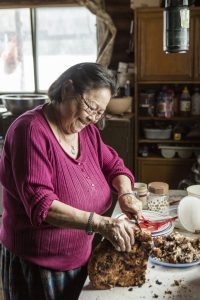
Forget sterile, hotel-run classes. Seek out experiences in someone’s actual home. Platforms that connect travelers with local home cooks are, well, a game-changer. You’re not just learning to roll dumplings; you’re hearing family stories, understanding generational techniques, and sharing a table.
The magic is in the mundane details. The way a nonna insists you knead pasta dough for exactly ten minutes. The specific chili paste that’s been in the family fridge for months. It’s a tactile, sensory history lesson. You’re not a customer; you’re a guest. And that shift in perspective? It’s everything.
What to Look For in a Authentic Cooking Experience
- Market First: A class that starts with a trip to a local market to source ingredients. This teaches you how to select produce, introduces you to vendors, and decodes the local shopping rhythm.
- Regional Specialties: Avoid generic “Italian cooking.” Look for “Sardinian Seafood” or “Roman Jewish-Quarter Artichokes.” Specificity equals authenticity.
- Small Groups: The smaller the better. Ideally, you’re in a home kitchen, not a commercial studio.
The Uncurated Marketplace: Groceries, Wet Markets & Street Stalls
Supermarkets tell you what people buy for convenience. But a traditional wet market or a bustling street food alley? That shows you what they crave. The sounds, the smells, the organized chaos—it’s a living ecosystem. Notice which stall has the longest line at 7 AM. That’s your breakfast spot.
Don’t just observe. Engage. Point to something you don’t recognize. Smile and ask, “How do I eat this?” The act of navigating a food market, of making a small purchase, of trying a fruit you’ve never seen—it’s a low-stakes, high-reward adventure. It builds a tiny bridge.
| Market Type | Cultural Insight Offered | Pro Tip |
| Wet Market | Seasonality, local agriculture, foundational ingredients, daily rhythms. | Go early. Bring small bills. Watch how locals inspect produce. |
| Specialty Food Hall (e.g., Tokyo Depachika, Spanish Mercado) | Artisanal pride, gift-giving culture, aesthetic presentation, luxury vs. everyday. | Sample at counter stalls. Look for “omiyage” (souvenir) packaging. |
| Night Market / Street Food Cluster | Social gathering points, affordable indulgence, late-night culture, innovation. | Follow the steam! A busy vendor means high turnover and fresh food. |
Food as a Social Catalyst: Festivals, Harvests & Community Events
Food is the centerpiece of celebration. Aligning your travel with a local food festival or harvest is like getting a backstage pass to a culture’s soul. Think Spain’s La Tomatina, Maine’s Lobster Festival, or a small-town truffle fair in Piedmont.
These events are raw, communal, and often deeply rooted in history or religion. You’re participating in a shared, collective joy. It’s not about a perfect plate; it’s about sticky fingers, shared laughs, and a sense of belonging, even if just for an afternoon.
Finding These Hidden Gems
It takes a bit of digging. Search for “[Region] + harvest festival,” “[City] + neighborhood street fair,” or even check local tourism board calendars for smaller, hyper-local events. Ask your Airbnb host or a shopkeeper: “Is there any local food celebration happening soon?” You’d be surprised what you find.
The Journey on a Plate: Farm & Producer Visits
To know a wine, visit the vineyard. To understand cheese, meet the goats. Agritourism connects you to the terroir—that fancy word that just means the complete environment a food comes from. The soil, the climate, the hands that tend it.
This is where you taste the difference. A strawberry picked warm from the sun at a Japanese farm. Olive oil tasted straight from the press in Greece. It creates a memory tied to a landscape. You’re not just consuming; you’re witnessing a process, understanding a craft, and directly supporting a local economy. It’s slow travel, deliciously defined.
Beyond Consumption: Volunteering & Food-Based Workshops
Want to go a layer deeper? Consider giving your time. Volunteer for a grape harvest (a “vendange” in France). Help prep for a community supper. Join a beach clean-up followed by a seafood cookout. The act of working with people creates a different bond.
You’re sharing in the effort, the fatigue, and the ultimate satisfaction of the result. The food at the end of that day tastes of accomplishment and camaraderie. It’s a story you can’t buy.
So, next time you plan a trip, maybe start not with a list of restaurants, but with a question: Where does the food here come from, and how do people truly share it? Skip the reservation line. Head to the market, the farm, the family kitchen. Let your curiosity—and your appetite—lead the way. The world is so much richer when you taste it at its source.