The Rise of Micro-Hotels: Where Compact Meets Luxury in the Urban Jungle
City breaks are exhilarating. The energy, the culture, the endless possibilities. But let’s be honest, the hotel room is often… an afterthought. A place to crash after a day of exploring. You pay a premium for a cavernous suite you barely use, while the real adventure waits outside your door.
Well, a quiet revolution is reshaping the urban hospitality landscape. Enter the micro-hotel. This isn’t about cramped, budget hostels. This is a deliberate, design-forward movement redefining luxury not by square footage, but by sheer, intelligent experience.
So, What Exactly Is a Micro-Hotel?
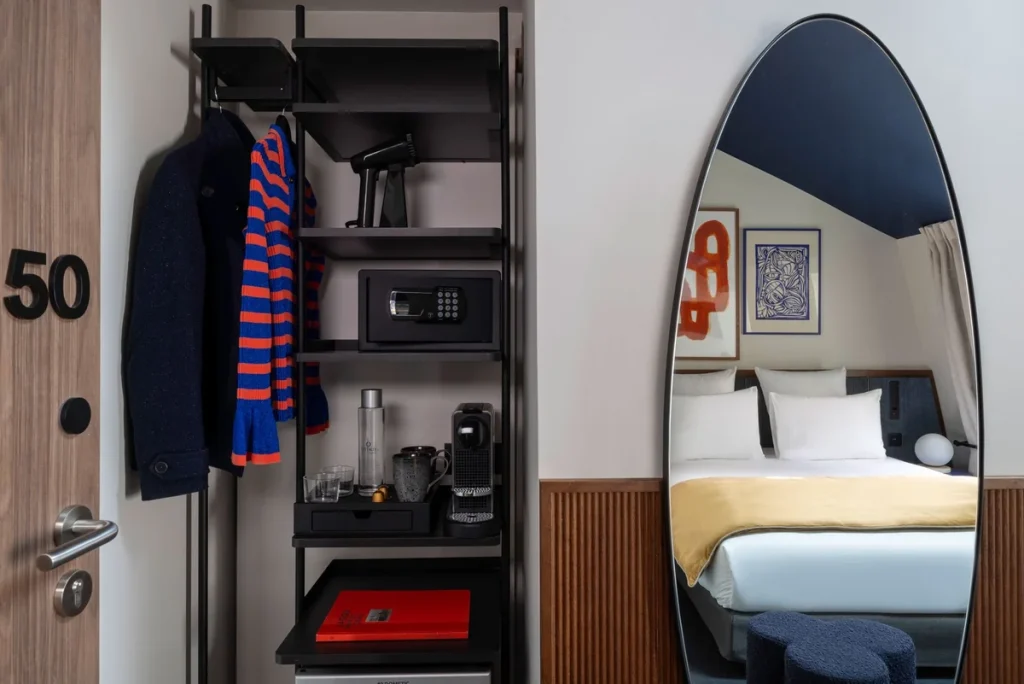
Forget everything you know about traditional hotels. A micro-hotel, at its core, prioritizes efficiency and experience over empty space. Think of it like a perfectly designed tiny home for the urban traveler. The rooms are compact—sometimes as small as 150 square feet—but every single inch is meticulously planned.
It’s not about what they take away; it’s about what they add back. You trade a sprawling bathroom for a stunning, multi-functional wet room. You exchange a king-sized bed that dominates the room for a premium, queen-sized platform bed with built-in storage underneath. It’s a lesson in mindful living, in stripping away the non-essentials to focus on what truly matters: comfort, design, and location.
The Driving Forces Behind the Small Space Surge
Why now? The trend feels almost inevitable when you look at the converging forces in travel and urban life.
The Modern Traveler’s Mindset Has Shifted
Today’s travelers, especially millennials and Gen Z, are spending their money differently. They value experiences over things. A unique local restaurant, a secret rooftop bar, a guided street art tour—this is where the budget goes. The hotel room is the launchpad, not the destination. This experience-over-ownership mentality aligns perfectly with the micro-hotel ethos.
The Brutal Math of Prime Real Estate
Let’s talk real estate. In cities like New York, Tokyo, or London, space is the ultimate luxury. The economics of building a 300-room hotel with massive suites are, frankly, staggering. Micro-hotels offer a savvy solution. By reducing the size of each room, developers can fit more rooms—and more guests—into a prized plot of land. This operational efficiency often translates to more competitive pricing for the guest, without sacrificing that coveted central address.
Our Digital Nomad Lifestyle
We live lighter. A smartphone, a laptop, a few changes of clothes. We don’t need vast armoires and giant vanities. We need blazing-fast, free Wi-Fi, seamless check-in via an app, and plenty of accessible power outlets. Micro-hotels are built for this digital-first, mobile-centric reality.
Compact Luxury: How They Pack a Punch
Okay, so the room is small. Where’s the luxury? Honestly, it’s in the details you don’t have to think about.
Hyper-Intelligent Design: These spaces are masterclasses in multi-functionality. A desk folds away to reveal a mirror. The bed lifts up for suitcase storage. Walls have modular components that adapt to your needs. It feels less like a room and more like a bespoke piece of furniture you get to live inside.
Curated Amenities: Instead of a rarely-used gym and a gloomy business center, micro-hotels invest in vibrant, well-designed social spaces. Think stunning lobbies that double as co-working areas, hip rooftop bars with skyline views, and curated partnerships with local coffee shops and fitness studios. The amenity is the entire social and cultural ecosystem of the hotel.
High-Tech, High-Touch: Many feature contactless check-in, keyless entry via your phone, and in-room tablets controlling everything from the temperature to the blackout blinds. This tech removes friction, giving you more time to, you know, actually enjoy your trip.
Is a Micro-Hotel Right for You? A Quick Checklist
Micro-living isn’t for everyone. It’s perfect for the solo traveler or the couple on a city adventure. But if you’re traveling with a family or need to spread out for work, you might feel the pinch. Here’s a quick reality check:
- You’ll love it if: You prioritize location and design, travel light, and see your room as a cozy, high-tech nest.
- You might struggle if: You have multiple large suitcases, need to work from your room for hours, or simply crave spacious, traditional hotel grandeur.
The Future is Compact, Connected, and Personal
The rise of micro-hotels and compact luxury accommodations signals a broader shift. It’s a move away from the one-size-fits-all hospitality model towards a more personalized, efficient, and experience-rich future. They challenge the very definition of luxury, asking us to find it not in wasted space, but in thoughtful design, seamless technology, and a genuine connection to the pulse of the city.
In the end, these tiny giants of hospitality remind us of something important. The greatest luxury in any city isn’t the size of your room. It’s the freedom to step outside and immerse yourself in everything it has to offer. And having a beautifully designed, incredibly efficient home base to return to? Well, that just makes it all the sweeter.